Showing posts with label seo tricks. Show all posts

BLOGGER TIP-How to add "Email Subscription Form" to Blogger FOR RECENT UPDATES ON EMAIL

Follow LatestSongColle on Twitter
BLOGGER TIP-How to add "Email Subscription Form" to Blogger
If are a new blogger,you may have seen an email subscrtiption form like the below one in other blogs while browsing.

It is delevered by FeedBurner.When people subscribe,they will recieve a email with your blog posts whenever your blog is updated.It is a very easy thing and make your visitors come back again and again to your blog.

So,Let's see how to add a "Email Subscription form" like that in your blog:

1.First,Sign in to your FeedBurner account.If you don't have a FeedBurner account yet,you can register it here

2.Click on the "My Feeds" link at the top of the page and next ,click on your blog name

3.Next,Click on the 'Publicize' tab as shown below.

4.Select the "Email Subscriptions" option

5.Next,Click on 'Activate'

6.There are a few more options under the Email Subscriptions column namely Subscription Management,Communication Preferences,Email Branding and Delivery options.Edit them according to your needs.

Now,Click on the Subscription Managemant option and copy the code they provide

7.Sign in to your blogger dashboard>layout>add a page element>html/javascript and paste the code and SAVE THE CHANGES.That's it!
blogger tips and tricks,blogging tips,blogger tip,blogger tricks,blogger widgets,blog software,my blog,blogger help,blog site,weblog,blogger design,best blog,best blog tools,google blog tools,blogging services,blog development tools,blog marketing tool,blog creation tools,seo blog tools

BLOGGER TIP-How To Add Feed Burner Headline Animator to your Blogger blog SHOW YOUR RECENT POSTS

Follow LatestSongColle on Twitter

BLOGGER TIP-How To Add Feed Burner Headline Animator to your Blogger blog

Blogger Tips And Tricks

1.Sign in to the feedburner with your gmail accont.

2.Burn a feed for site address that you want to show the headline animator.For this you must spent few minutes.

3.After burn the feed, click on your site name in the "My Feeds" section.

4.Now click on the "Publicize" Tab

5.Click Headline Animator on the left side bar. Choose the type of display you want on the dropdown menu and click "Activate"

6.Choose a blog service as "Blogger blog" on the drop down menu and click Next and then Click "Add To Bloger".
blogger tips and tricks,blogging tips,blogger tip,blogger tricks,blogger widgets,blog software,my blog,blogger help,blog site,weblog,blogger design,best blog,best blog tools,google blog tools,blogging services,blog development tools,blog marketing tool,blog creation tools,seo blog tools

BLOGGER TIP-How To SET NUMBER OF POSTS IN FEED with Feedburner FOR RECENT UPDATES

Follow LatestSongColle on Twitter

BLOGGER TIP-How To SET NUMBER OF POSTS IN FEED with Feedburner
Blogger sends latest 25 posts in your blog feed. So your Feedburner feed also contains the latest 25 blog posts. If you wish to include more or less posts in it :

1. Login to Feedburner account.

2. Click on Feed Title.

3. Click on 'Edit Feeds Details' link just below title of your feed.

4. In the Original Feed Address field, You can see your feed address.

http://MYBLOGNAME.blogspot.com/feeds/posts/default

Change this address to:

http://MYBLOGNAME.blogspot.com/feeds/posts/default?max-results=50

Instead of 'MYBLOGNAME' enter actual name of your blog.

Instead of the number '50' specify the number of posts ( 1 to 500 )you want to appear in your feed.

5. Click Save Feed Details.
blogger tips and tricks,blogging tips,blogger tip,blogger tricks,blogger widgets,blog software,my blog,blogger help,blog site,weblog,blogger design,best blog,best blog tools,google blog tools,blogging services,blog development tools,blog marketing tool,blog creation tools,seo blog tools

BLOGGER TIP-How To Add Feedburner FeedFlare below your Blog Post

Follow LatestSongColle on Twitter


BLOGGER TIP-How To Add Feedburner FeedFlare below your Blog Post:put feedburner subscription box below each blogger,blog post

If you want to add the FeedFlare to your blog follow the instruction below.

1. Login to your Feedburner account.

2. Click on the Feed Title.

3. Click on Optimize Tab.

4. Click on FeedFlare.

5. Check on the services you want to display in your Feed or on your Site.

6.There is a FeedFlare Preview/Ordering below the list of services. This lets you see how FeedFlare will appear in your feed and/or on your site. Just Click and Drag the links on the location that you want.

7.Click on "Activate".Now You will get this message.


8.Now in this window Before the Save button, there is a "Get the HTML code to put FeedFlare on your site". Choose the Blogging Platform as "Blogger"

9. A pop-up window will appear and it contains the instructions on how you embed the Feed burner FeedFlare on your blog.Just follow the instructions.Now wait about 20 minutes and refresh your site.Look at the example below.


blogger tips and tricks,blogging tips,blogger tip,blogger tricks,blogger widgets,blog software,my blog,blogger help,blog site,weblog,blogger design,best blog,best blog tools,google blog tools,blogging services,blog development tools,blog marketing tool,blog creation tools,seo blog tools

How BLOGGER TIP-To Redirect your Blogger feed to FeedBurner feed FOR RECENT UPDATES

Follow LatestSongColle on Twitter

How BLOGGER TIP-To Redirect your Blogger feed to FeedBurner feed

If you have a blog and start to use FeedBurner to manage your feed, you have to change the auto discovery link in your template and redirect the old feed to FeedBurner, so you don't have to tell your readers to subscribe to the new feed.To Redirect your Blogger feed to FeedBurner feed follow the steps below.

1.Login to your blogger dashboard.

2.Go to settings-->Site Feed.

3.Now type your Feedburner Feed URL into the Post Feed Redirect URL text field. Remember to include http://

For example My Feedburner Feed URL is http://feeds2.feedburner.com/blogspot/WyNa

I must enter it like below.

4.After you enter your Feedburner Feed URL click on "Save Settings" and your done.Now Blogger will redirect feed traffic of your blog to your Feedburner feed.
blogger tips and tricks,blogging tips,blogger tip,blogger tricks,blogger widgets,blog software,my blog,blogger help,blog site,weblog,blogger design,best blog,best blog tools,google blog tools,blogging services,blog development tools,blog marketing tool,blog creation tools,seo blog tools

BLOGGER TIP-How To Add Feed Burner Email Subscriptions to Blogger

Follow LatestSongColle on Twitter
BLOGGER TIP-How To Add Feed Burner Email Subscriptions to Blogger


Using Feedburner, you are able to instantly have an email subscription service for your blog. Every day that you post something new in the blog, an email is sent out to the people who have subscribed to your blog. You don't have to do anything. People join the list and leave the list of their own free will; again, You don't have to do anything. You can make some choice about the way the email is configured, but Feedburner does all the work of actually maintaining the list and sending out the email.

1. Login to your Feedburner account.

2. Click on the Feed Title.

3. Click on Publicize Tab.


4.Now Click on Email Subscriptions.

5.Now Click on "Activate" Button.


6.Now Choose the Blogging Platform as "Blogger"

7.Then you will get code . Copy and paste the code in your blog where ever you like to add Feed Burner Email Subscriptions Form.

blogger tips and tricks,blogging tips,blogger tip,blogger tricks,blogger widgets,blog software,my blog,blogger help,blog site,weblog,blogger design,best blog,best blog tools,google blog tools,blogging services,blog development tools,blog marketing tool,blog creation tools,seo blog tools

BLOGGER TIP-How To Add Beautiful Subscribe Section to Blogger FOR RECENT UPDATES

Follow LatestSongColle on Twitter
BLOGGER TIP-How To Add Beautiful Subscribe Section to Blogger:how to put subscribe box in blog or website


Do you like to add a good looking Subscribe section to your blog?Then simply follow the steps below.


1.Login to your blogger dashboard--> layout- -> Edit HTML


2.Scroll down to where you see </head> tag .


3.Copy below code and paste it just before the </head> tag .


<style type='text/css'>


#hsection{border:4px solid #D3D3D3;background-color:#e9e9e9;}

#hsection:hover{border:4px solid #BABABA;background-color:#e9e9e9;}


#sectionmy .sectionmy2 h2.subscription { border:0; margin:0; padding:6px 0 0 55px; height:42px; font-size:16px;font-family:&quot;Segoe UI&quot;,Calibri,&quot;Myriad Pro&quot;,Myriad,&quot;Trebuchet MS&quot;,Helvetica,Arial,sans-serif;

font-weight:bold; }


#sectionmy .sectionmy2 h2.rss { background:url(https://blogger.googleusercontent.com/img/b/R29vZ2xl/AVvXsEjjKcg-uSADDYNvTBGmvEQI0dNeM54-UbsPo5qtuVJo5ND2p8RfT3QggDpamUfR98CtXvrXlz1hsOI7RnmaeE2EOkqnX80IEqkqhS6R_3cYEhqM1zA3sDtUcWDnicB8bBhmP5DSEWGfBGvq/) no-repeat top left; }


#sectionmy .sectionmy2 h2.email { background:url(https://blogger.googleusercontent.com/img/b/R29vZ2xl/AVvXsEgcztKzo4Qul56BT7ub_slvTQjNyj8yVvtWzNH3NTC1cjhoq3_2hNSeBGdJOOMAnzlr_eS4nGu4Gw1faUQzOnsoBfOxI-WvadJR4Cid_ALzsYVggi5KaA5LMIGXawFX9K1GLCQLxhk7xjOz/) no-repeat top left; }


#sectionmy .sectionmy2 h2.twitter { background:url(https://blogger.googleusercontent.com/img/b/R29vZ2xl/AVvXsEgc-7vIqvqYwM4LtT3q-SGmPYytudLBdOEAO85m0s9bJP12J2O39PkEV1L2soZ4BANybSfE19bH8EySW7Cgq8q0M1fu7Ih-sqXebnrgqJjkQvaT2B5WW5rsjVl5-MfIrhyphenhyphendY13Zg4Nhn22m/) no-repeat top left; }


#sectionmy .sectionmy2 .subscription a { color:#252e28; text-decoration:none; }


</style>


NOTE : Host RSS.png , EmailRSS.png , twitter.png yourself.


4.Now go to Layout-->Page Element and click on "Add a gadget".


5.Select "html/java script" and add the code given below and click save.


<div id="hsection">


<div id="sectionmy">

<div class="sectionmy2">


<h2 class="subscription rss"><a href="YOUR-RSS-FEED-URL">SUBSCRIBE VIA RSS</a></h2>


<h2 class="subscription email"><a href="YOUR-FEEDBURNER-EMAIL-SUBSCRIPTION-URL">SUBSCRIBE VIA EMAIL</a></h2>


<h2 class="subscription twitter"><a href="YOUR-TWITTER-URL">FOLLOW ON TWITTER</a></h2>


</div></div>

</div>


NOTE : Replace YOUR-RSS-FEED-URL , YOUR-FEEDBURNER-EMAIL-SUBSCRIPTION-URL , YOUR-TWITTER-URL with your urls.


Look at the example below:


<div id="hsection">


<div id="sectionmy">

<div class="sectionmy2">


<h2 class="subscription rss"><a href="http://feeds2.feedburner.com/blogspot/WyNa">SUBSCRIBE VIA RSS</a></h2>


<h2 class="subscription email"><a href="http://feedburner.google.com/fb/a/mailverify?uri=blogspot/WyNa&loc=en_US">SUBSCRIBE VIA EMAIL</a></h2>


<h2 class="subscription twitter"><a href="http://www.twitter.com/btipandtrick">FOLLOW ON TWITTER</a></h2>


</div></div>

</div>


You are done.

blogger tips and tricks,blogging tips,blogger tip,blogger tricks,blogger widgets,blog software,my blog,blogger help,blog site,weblog,blogger design,best blog,best blog tools,google blog tools,blogging services,blog development tools,blog marketing tool,blog creation tools,seo blog tools

BLOGGER TIP-How To Add Subscribe Box to Blogger/Website TO INCREASE TRAFFIC

Follow LatestSongColle on Twitter
BLOGGER TIP-How To Add Subscribe Box to Blogger/Website:subscription box tips and tricks


In this tutorials,I will explain to you how create a Subscribe Box with Feedburner Email subscription,Feed subscription and Social networking buttons(Digg,Twitter,Facebook,Stumbleupon,Delicious).You can easily add or remove social buttons to this widget and setup your email subscription.If you like to add this widget to your blog or a website,then follow the steps given below.


1.Log in to your dashboard--> Design- ->Page Elements.


2.Click on 'Add a Gadget' on the sidebar.


3.Select 'HTML/Javascript' and add the code given below and click save.


FEEDBURNER-ID', 'popupwindow', 'scrollbars=yes,width=550,height=520');return true">

Get Notified When We Update !!!

FEEDBURNER-ID" name="uri" type="hidden" />


DELICIOUS-USERNAME" class="subscribe-sec" style="background: url(https://blogger.googleusercontent.com/img/b/R29vZ2xl/AVvXsEi7d9OH5srDLvBvnOaExy544-D0eInErVGPMVy91kmtOr2Sk56qXYP_qKd17e2EiilxH7BXChFC3MsPo_T-C4EtH5JpuNjMJ1edrJr-1XbDuXlmfmAJLQVqAXosIeLvO9xxA6PbzOB5FSc7/s1600/delicious.png) center top no-repeat">

TWITTER-USERNAME" class="subscribe-sec" style="background: url(https://blogger.googleusercontent.com/img/b/R29vZ2xl/AVvXsEgJBj6CS65OwSBnhbFV4bIMpvnj5AKWjyk-ax8ZAZazcSmPnkbyVP8rZbnVAmynqZZjTRYXWqBbuvSP-pXsCHrYpn6K0afxDBK2ZaCD-qiTIN7TJg89jHfVG3jYAQors55962jytN3KqMNk/s1600/twitter.png) center top no-repeat">

DIGG-USERNAME" class="subscribe-sec" style="background: url(https://blogger.googleusercontent.com/img/b/R29vZ2xl/AVvXsEgg4wFNFa_LsWUa49cl8xUQD3_PGcvGMMqGEL_smiywhdYOxf1bJJDX59QDm_Re4_v42cvZ7eSKZxu5tHPa0zxG9rvXkUsNeXXeGGouAqMwe_BGwF4VK_x6qofC0NXvVYG2yS0p7wacwZZ_/s1600/digg.png) center top no-repeat">

FACEBOOK-USERNAME" class="subscribe-sec" style="background: url(https://blogger.googleusercontent.com/img/b/R29vZ2xl/AVvXsEjx8oNbTFPpp-byPNZihcGyisiSkLo8ZqwNtVljmtvDpKOIuSFCYd0t95DRie81-JMcCx6zByu4_d-vMoG2TE_UrGp3sT5uZeUt0fdN8qvZhtULtpLYsM6nGJzvf_MmUHnFz3vhK2nJUuMs/s1600/facebook.png) center top no-repeat">

STUMBLEUPON-USERNAME" class="subscribe-sec" style="background: url(https://blogger.googleusercontent.com/img/b/R29vZ2xl/AVvXsEio4T5zGQ4RqJRgkLalPjVL5PpH1W1DwNXuUIVOtRja8dMc9zGHCmP4mu2z7JPf0FFz3gc2QgpB74ixil0xhruCS64fJ7YIFY0izTjcq1yX0bFj85vPteMPA5OzK9_8locmLc13TMiAsxFd/s1600/stumbleupon.png) center top no-repeat">

FEEDBURNER-ID" class="subscribe-sec" style="background: url(https://blogger.googleusercontent.com/img/b/R29vZ2xl/AVvXsEhc7NfKBNHiBAD2LzzDMZJXigN-KBhWK_-VHlRoKFd-jbqNT1zUKwzYmZxQZDVYhEqbqSXxqbPtk4mdurHgHXY-inZFgwfwmypKxo01dEc5Ih_girOb7ys8rerI-GHte-4z3c6Ydj-PDflV/s1600/rss.png) center top no-repeat">


Note : Remember to REPLACE,


FEEDBURNER-ID with your feedburner ID.

DELICIOUS-USERNAME with your delicious username.

TWITTER-USERNAME with your twitter username.


FACEBOOK-USERNAME with your facebook username.

STUMBLEUPON-USERNAME with your stumbleupon username.


Look at the example given below.


blogspot/WyNa', 'popupwindow', 'scrollbars=yes,width=550,height=520');return true">

Get Notified When We Update !!!

blogspot/WyNa" name="uri" type="hidden" />


wam8387" class="subscribe-sec" style="background: url(https://blogger.googleusercontent.com/img/b/R29vZ2xl/AVvXsEi7d9OH5srDLvBvnOaExy544-D0eInErVGPMVy91kmtOr2Sk56qXYP_qKd17e2EiilxH7BXChFC3MsPo_T-C4EtH5JpuNjMJ1edrJr-1XbDuXlmfmAJLQVqAXosIeLvO9xxA6PbzOB5FSc7/s1600/delicious.png) center top no-repeat">

btipandtrick" class="subscribe-sec" style="background: url(https://blogger.googleusercontent.com/img/b/R29vZ2xl/AVvXsEgJBj6CS65OwSBnhbFV4bIMpvnj5AKWjyk-ax8ZAZazcSmPnkbyVP8rZbnVAmynqZZjTRYXWqBbuvSP-pXsCHrYpn6K0afxDBK2ZaCD-qiTIN7TJg89jHfVG3jYAQors55962jytN3KqMNk/s1600/twitter.png) center top no-repeat">

wam8387" class="subscribe-sec" style="background: url(https://blogger.googleusercontent.com/img/b/R29vZ2xl/AVvXsEgg4wFNFa_LsWUa49cl8xUQD3_PGcvGMMqGEL_smiywhdYOxf1bJJDX59QDm_Re4_v42cvZ7eSKZxu5tHPa0zxG9rvXkUsNeXXeGGouAqMwe_BGwF4VK_x6qofC0NXvVYG2yS0p7wacwZZ_/s1600/digg.png) center top no-repeat">

btipandtrick" class="subscribe-sec" style="background: url(https://blogger.googleusercontent.com/img/b/R29vZ2xl/AVvXsEjx8oNbTFPpp-byPNZihcGyisiSkLo8ZqwNtVljmtvDpKOIuSFCYd0t95DRie81-JMcCx6zByu4_d-vMoG2TE_UrGp3sT5uZeUt0fdN8qvZhtULtpLYsM6nGJzvf_MmUHnFz3vhK2nJUuMs/s1600/facebook.png) center top no-repeat">

wam83879" class="subscribe-sec" style="background: url(https://blogger.googleusercontent.com/img/b/R29vZ2xl/AVvXsEio4T5zGQ4RqJRgkLalPjVL5PpH1W1DwNXuUIVOtRja8dMc9zGHCmP4mu2z7JPf0FFz3gc2QgpB74ixil0xhruCS64fJ7YIFY0izTjcq1yX0bFj85vPteMPA5OzK9_8locmLc13TMiAsxFd/s1600/stumbleupon.png) center top no-repeat">

blogspot/WyNa" class="subscribe-sec" style="background: url(https://blogger.googleusercontent.com/img/b/R29vZ2xl/AVvXsEhc7NfKBNHiBAD2LzzDMZJXigN-KBhWK_-VHlRoKFd-jbqNT1zUKwzYmZxQZDVYhEqbqSXxqbPtk4mdurHgHXY-inZFgwfwmypKxo01dEc5Ih_girOb7ys8rerI-GHte-4z3c6Ydj-PDflV/s1600/rss.png) center top no-repeat">


You are done.


blogger tips and tricks,blogging tips,blogger tip,blogger tricks,blogger widgets,blog software,my blog,blogger help,blog site,weblog,blogger design,best blog,best blog tools,google blog tools,blogging services,blog development tools,blog marketing tool,blog creation tools,seo blog tools

BLOGGER TIP-Attractive Subscribe Section + Search Box For Blogger FOR SUBSCRIPTION

Follow LatestSongColle on Twitter
BLOGGER TIP-Attractive Subscribe Section + Search Box For Blogger:how to put subscribe box and search box in blogger


In this article,I am going to explain how to add more attractive Subscribe Section + Search Box to your blogger blog.This subscribe section is included Feedburner feed and Email subscriptions boxes,Twitter and Facebook boxes for your Twitter and Facebook profiles and Social networking buttons(Digg,Twitter,Facebook,Stumbleupon,Delicious) to share your articles among social networks.These social network buttons are powered by www.addthis.com.Above the subscribe section,Search box is included.You don't want to change anything in the search box code.To add this widget to your blogger sidebar without doing any modification,sidebar width must be at least 305 px. You can add this Subscribe Section + Search Box into your blog within few seconds and very easy to configure.If you like to add this widget to your blog or a website,then follow the steps given below.


Attractive Subscribe Section + Search Box


1.Login to your blogger dashboard --> Design --> Edit HTML


2.Scroll down to where you see </head> tag .


3.Copy below code and paste it just before the </head> tag .


<style type="text/css">


.subbox{width:305px;border:0 solid #141414;overflow:hidden}

.addthis_toolbox{padding:15px 0 5px 0;text-align:center}

.addthis_toolbox .custom_images a{width:32px;height:32px;margin:0 4px 0 4px;padding:0}

.addthis_toolbox .custom_images a:hover img{opacity:1}

.addthis_toolbox .custom_images a img{opacity:0.85}

.rssbox{background:#f7f6f6;border:1px solid #ccd1d7;padding:5px 10px;margin:10px 0 0 0;-moz-border-radius:10px;-khtml-border-radius:10px;-webkit-border-radius:10px;border-radius:10px;width:125px}

.rssbox:hover{border:1px solid #92aed1}

.rssbox a{color:#7c8a9b;text-transform:uppercase;text-decoration:none;font:bold 12px Arial,Helvetica,Sans-serif}

.rssbox a:hover{color:#7c8a9b;text-decoration:underline}

.emailsbox{background:#f7f6f6;border:1px solid #ccd1d7;padding:5px 10px;margin:10px 0 0 0;-moz-border-radius:10px;-khtml-border-radius:10px;-webkit-border-radius:10px;border-radius:10px;width:125px}

.emailsbox:hover{border:1px solid #92aed1}

.emailsbox a{color:#7c8a9b;text-transform:uppercase;text-decoration:none;font:bold 12px Arial,Helvetica,Sans-serif}

.emailsbox a:hover{color:#7c8a9b;text-decoration:underline}

.twitterbox{background:#f7f6f6;border:1px solid #ccd1d7;padding:5px 10px;margin:10px 0 0 0;-moz-border-radius:10px;-khtml-border-radius:10px;-webkit-border-radius:10px;border-radius:10px;width:125px}


.twitterbox:hover{border:1px solid #92aed1}

.twitterbox a{color:#7c8a9b;text-transform:uppercase;text-decoration:none;font:bold 12px Arial,Helvetica,Sans-serif}

.twitterbox a:hover{color:#7c8a9b;text-decoration:underline}

.facebookbox{background:#f7f6f6;border:1px solid #ccd1d7;padding:5px 10px;margin:10px 0 0 0;-moz-border-radius:10px;-khtml-border-radius:10px;-webkit-border-radius:10px;border-radius:10px;width:125px}

.facebookbox:hover{border:1px solid #92aed1}

.facebookbox a{color:#7c8a9b;text-transform:uppercase;text-decoration:none;font:bold 12px Arial,Helvetica,Sans-serif}

.facebookbox a:hover{color:#7c8a9b;text-decoration:underline}

#search{width:290px;padding:2px 2px;background:#f7f6f6;border:1px solid #ccd1d7;height:28px;margin-top:0;margin-left:5px;display:inline;float:left}

#search:hover{border:1px solid #92aed1}

#search form{margin:0;padding:0}

#search fieldset{margin:0;padding:0;border:none}

#search p{margin:0;font-size:85%}

#s{width:200px;margin:0 0 0 0;padding:5px 5px 5px 5px;border:none;font:normal 80% &quot;Tahoma&quot;,Arial,Helvetica,sans-serif;color:#000;float:left;background:#f7f6f6;display:inline}

input#searchsubmit{float:right;display:inline;margin:0 0 0 0;height:28px;background:#b2b2b2;color:#000;border:0 solid #222}

</style>


Save your template.


4.Now go to Design --> Page Elements and click on "Add a gadget".


5.Select "html/java script" and add the code given below and click save.


<div class="subbox">


<div id='search' style='display:inline;'>

<form action='/search' id='searchform' method='get'>

<input id="s" name="q" onblur="if (this.value == &quot;&quot;) {this.value = &quot;Search...&quot;;}" onfocus="if (this.value == &quot;Search...&quot;) {this.value = &quot;&quot;;}" type="text" value="Search..." />


<input id="searchsubmit" type="submit" value="Search" />

</form>

</div>

<table><tr>

<td><div class="rssbox">

<a href="http://feeds.feedburner.com/FEEDBURNER-ID" target="_blank" rel="nofollow"><img src="https://blogger.googleusercontent.com/img/b/R29vZ2xl/AVvXsEhl_hc1fDXNztlmySoQH77RmVwBTzyADW9xSOEX1lBPd8o0aHfRGjEnknWcSxkJV9JUHqMWmaR-H8mNoD6mKcEaHGOxUZNEaGnf6efH_4ooZ0vRQ5peZWfZD0a6REey2qHYtAQ-_P7MPXvA/" alt="RSS Feed" title="RSS Feed" style="vertical-align:middle; margin-right: 5px;border:none;" /></a><a href="http://feeds.feedburner.com/FEEDBURNER-ID" target="_blank" rel="nofollow">RSS Feed</a>


</div></td>

<td><div class="emailsbox">

<a href="http://feedburner.google.com/fb/a/mailverify?uri=FEEDBURNER-ID" target="_blank" rel="nofollow"><img src="https://blogger.googleusercontent.com/img/b/R29vZ2xl/AVvXsEifbcz6UY-QhbJYdzGGpRYvvRXx_IImvceW51b-49vHX3PJ9DapxoH7N0oEqK8xKmILUFpRnL4Xs8O7Be_MkAicXIUg_2yJvH0aVk9owCULqt3f0bjbtIO3ZoOCHLeDKH32RRAeN6GZObYP/" alt="EMail Feed" title="EMail Feed" style="vertical-align:middle; margin-right: 5px;border:none;" /></a><a href="http://feedburner.google.com/fb/a/mailverify?uri=FEEDBURNER-ID" target="_blank" rel="nofollow">EMail Feed</a>


</div></td>

</tr><tr>

<td><div class="twitterbox">

<a href="http://twitter.com/TWITTER-USERNAME" target="_blank" rel="nofollow"><img src="https://blogger.googleusercontent.com/img/b/R29vZ2xl/AVvXsEglXwZyL22OvE7k5smUzK1IbRFx-FOmHODXvJYCiVX2yp5hy3wmdGjYRd9OsdLT8TNTNrLbIclFZVjiGYWm7YRifUFHe5RFV8CYCavH34E7BnCS7pviGJSQyqHjC-LuRTG281G2BKwW5GTc/" alt="Twitter" title="Twitter" style="vertical-align:middle; margin-right: 5px;border:none;" /></a><a href="http://twitter.com/TWITTER-USERNAME" target="_blank" rel="nofollow">Twitter</a>


</div></td>

<td><div class="facebookbox">

<a href="http://www.facebook.com/FACEBOOK-USERNAME" target="_blank" rel="nofollow"><img src="https://blogger.googleusercontent.com/img/b/R29vZ2xl/AVvXsEgR4EVZ8X2VERwFiye1nRvQu8dHD2rQ63LPwNe5h6CZUNkzBkJbw5UeOS6NL0zFnuk9cLBkg21k_4NUc7aVksD_8ehPIIrv_WFzyhsZW-DW3oYDU4r_-NtmhqPIfXeeI8hgTgOYNynh57pY/" alt="Facebook" title="Facebook" style="vertical-align:middle; margin-right: 5px;border:none;" /></a><a href="http://www.facebook.com/FACEBOOK-USERNAME" target="_blank" rel="nofollow">Facebook</a>

</div></td>


</tr></table>

<p style="display:none;" align="center">Widget by <a href="http://www.bloggertipandtrick.net/" target="_blank">Blogger Tips And Tricks</a></p>

<div class='addthis_toolbox'>

<div class='custom_images'>

<a class='addthis_button_twitter'><img alt='Twitter' height='32' src='https://blogger.googleusercontent.com/img/b/R29vZ2xl/AVvXsEgnTHGg4pvGratOyvcOuU35d7cwV1At-4h2iQ6EBMbD8xbKy7QGDOKRF5X4BxMXvN3EhyphenhyphenYMsCmV7dBKuy3uNlJxQUTvdUaAveDrn_c9RQLA1purpX3h_tbU4cAN_cOdLDMwwXnLRTy_bKo/' width='32'/></a>


<a class='addthis_button_delicious'><img alt='Delicious' height='32' src='https://blogger.googleusercontent.com/img/b/R29vZ2xl/AVvXsEj-lCTYguGdaV10boprU3BZH8T2SmO1iqL66iyiZb79G_wMubLc6W_BhTVYEPJAJDqIUDnzutnZxZ8foeG43es1fYIEOIg86jM6lWXSyMCrw89H8JBdSwu3FrUZFKuTdusYA84njn8hIwA/' width='32'/></a>

<a class='addthis_button_facebook'><img alt='Facebook' height='32' src='https://blogger.googleusercontent.com/img/b/R29vZ2xl/AVvXsEil0EbJoEFxTxWLttHZp6NA8_kEHZVTN2aXeKo5w36MgD7hN9UHnXP4qtvHNhIZr4LkKzSBenizI-Of-msqoRA4g1xtmRL1nlG14z3JysIFPNDQ31ZQzhsHmztu4SShu7CJWPVamQGv5dg/' width='32'/></a>

<a class='addthis_button_digg'><img alt='Digg' height='32' src='https://blogger.googleusercontent.com/img/b/R29vZ2xl/AVvXsEhpURpa4p-5GUYM26IOqFODWi70J6liLgqJ5k7ZqrKtWyEFv_y0XC5YrBrawDViY4lsCuiPOEOubzs7_caYizQpfBbxsWGLURiTf4rW6IBbwtH5eHzftP0v3FCKgy7ZcjmUlU47z-nj_hM/' width='32'/></a>

<a class='addthis_button_stumbleupon'><img alt='Stumbleupon' height='32' src='https://blogger.googleusercontent.com/img/b/R29vZ2xl/AVvXsEikQLsysbSNe_yVBnsB5XLyfz4bzQQko9GGiAJ3Fg4d35JiJDHW-99UEo6C-70uOXd1LdiO9PfAOTSgdAeUuBRmifdLzr1lBUbZvIKi9lBEXI2pX6lTtyi1q1ahKPWi9Lz9Z4VEIn7egFk/' width='32'/></a>

<a class='addthis_button_favorites'><img alt='Favorites' height='32' src='https://blogger.googleusercontent.com/img/b/R29vZ2xl/AVvXsEjnh7bIPBlXUxLoUj4YGc4afnK5zEJFR5LDS30UeBk-Cf5OKnb8UC1VYy41Xx-Cfd9Ho9wmF3jzRoVxNQKDRENtnMqjYZS1YeW9-AUQYRBouBleSmdIvvLIvp8wdJX-LO1Hli9oUoPpBPo/' width='32'/></a>


<a class='addthis_button_more'><img alt='More' height='32' src='https://blogger.googleusercontent.com/img/b/R29vZ2xl/AVvXsEgUvDnqZFg-1T9Ee0WNj3hI9k7Bgw7Xbgw7orcG28ozpGMJFo1SHhyuTSV9uWKbHPXRzEhM6lPGMkd0qbi6a6dDuwoIB8mDlxt7bLQT0h8qPtwvvQkI3tPny_sL9IuALjff-819qUaDE-E/' width='32'/></a>

</div>

<script src='http://s7.addthis.com/js/250/addthis_widget.js' type='text/javascript'/>

</div>

</div>


NOTE : Remember to Replace,


FEEDBURNER-ID with your real Feedburner ID.(4 times).

TWITTER-USERNAME with your real Twitter username.

FACEBOOK-USERNAME with your real Facebook username.


You are done.

blogger tips and tricks,blogging tips,blogger tip,blogger tricks,blogger widgets,blog software,my blog,blogger help,blog site,weblog,blogger design,best blog,best blog tools,google blog tools,blogging services,blog development tools,blog marketing tool,blog creation tools,seo blog tools

BLOGGER TIPS-Official "Follow by Email" Feedburner Widget for Blogger FOR RECENT UPDATES ON EMAIL

Follow LatestSongColle on Twitter
BLOGGER TIPS-Official "Follow by Email" Feedburner Widget for Blogger FOR RECENT UPDATES ON EMAIL:how to put follow by email feedburner in blog posts,fedburnar tips,tricks,beginner tips, blog codes, blog design, blog help, blog tutorial, blogger tips, blogging,html codes, widgets


Now Blogger has introduced "Follow by Email" Feedburner email subscription widget for blogger blogs. So you don't want to add your site to the Feedburner manually. It will save your time.


To add this widget to your blog,


1.Log in to your dashboard --> Design -->Page Elements.


2.Click on 'Add a Gadget' on the sidebar.


3.Select "Follow by Email".


Select Follow by Email


4.Now if you want you can add "FeedBurner URL" manually. but your feed address is automatically added to the "Feedburner URL" box by Blogger.


Enter your FeedBurner URL


5. Click save. You are done.


Follow by EMail Subscription Box

Keywords – the Most Important Item in SEO | SEO KEYWORDS TO INCREASE TRAFFIC

Follow LatestSongColle on Twitter
Keywords – the Most Important Item in SEO | SEO KEYWORDS TO INCREASE TRAFFIC:free seo tips and tricks,optimize your blog,get free traffic ,increase number of visitors,link building,backlinks,pagerank tips,tips for new bloggers,earn money tips,meta tag tip and tool,adsense tips,increase google traffic,on page seo,off page seo,white hat and black hat seo

Keywords – the Most Important Item in SEO | SEO KEYWORDS


Keywords are the most important SEO element for every search engine, they are what search strings are matched against. Choosing the right keywords to optimize for is thus the first and most crucial step to a successful SEO campaign. If you fail on this very first step, the road ahead is very bumpy and most likely you will only waste your time and money. There are many ways to determine which keywords to optimize for and usually the final list of them is made after a careful analysis of what the online population is searching for, which keywords have your competitors chosen and above all - which are the keywords that you feel describe your site best.


1. Choosing the Right Keywords to Optimize For


It seems that the time when you could easily top the results for a
one-word search string is centuries ago. Now, when the Web is so
densely populated with sites, it is next to impossible to achieve
constant top ratings for a one-word search string. Achieving constant
top ratings for two-word or three-word search strings is a more
realistic goal.


For instance, If you have a site about dogs, do NOT try and optimize for the keyword "dog" or "dogs". Instead you could try and focus on keywords like "dog obedience training", "small dog breeds", "homemade dog food", "dog food recipes" etc. Success for very popular one-two word keywords is very difficult and often not worth the trouble, it's best to focus on less competitive highly specific keywords.


The first thing you need to do is come up with keywords that describe the content of your website. Ideally, you know your users well and can correctly guess what search strings they are likely to use to search for you. You can also try the Website Keyword Suggestions Tool below to come up with an initial list of keywords. Run your inital list of keywords by the Google keyword Suggestion tool, you'll get a related list of keywords, shortlist a couple of keywords that seem relevent and have a decent global search volume.


When choosing the keywords to optimize for, you need to consider not only the expected monthly number of searches but also the relevancy of these keywords to your website. Although narrow keywords get fewer searches they are a lot more valuable than generic keywords because the users would be more interested in your offerings. Lets say you have a section on your website where you give advice on what to look for when adopting a dog. You might discover that the "adopt german shepherd" keyphrase gives you better results than a keyword like "german shepherd dogs". This page is not of interest to current german shepherd owners but to potential german shepherd owners only. So, when you look at the numbers of search hits per month, consider the unique hits that fit into the theme of your site.

2. Keyword Density


After you have chosen the keywords that describe your site and are
supposedly of interest to your users, the next step is to make your
site keyword-rich and to have good keyword density for your
target keywords. Keyword density although no longer a very important factor in SEO is a common measure of how relevant
a page is. Generally, the idea is that the higher the keyword
density, the more relevant to the search string a page is. The
recommended density is 3-7% for the major 2 or 3 keywords and 1-2%
for minor keywords. Try the Keyword Density Checker below to
determine the keyword density of your website.


Although there are no strict rules, try optimizing for a reasonable number of keywords – 5 or 10 is OK. If you attempt to optimize for a list of 300, you will soon see that it is just not possible to have a good keyword density for more than a few keywords, without making the text sound artificial and stuffed with keywords. And what is worse, there are severe penalties (including ban from the search engine) for keyword stuffing because this is considered an unethical practice that tries to manipulate search results.
3. Keywords in Special Places

Keywords are very important not only as quantity but as quality as well – i.e. if you have more keywords in the page title, the headings, the first paragraphs – this counts more that if you have many keywords at the bottom of the page. The reason is that the URL (and especially the domain name), file names and directory names, the page title, the headings for the separate sections are more important than ordinary text on the page and therefore, all equal, if you have the same keyword density as your competitors but you have keywords in the URL, this will boost your ranking incredibly, especially with Yahoo!.
a. Keywords in URLs and File Names

The domain name and the whole URL of a site tell a lot about it. The presumption is that if your site is about dogs, you will have “dog”, “dogs”, or “puppy” as part of your domain name. For instance, if your site is mainly about adopting dogs, it is much better to name your dog site “dog-adopt.net” than “animal-care.org”, for example, because in the first case you have two major keywords in the URL, while in the second one you have no more than one potential minor keyword.

When hunting for keyword rich domain names, don't get greedy. While from a SEO point of view it is better to have 5 keywords in the URL, just imagine how long and difficult to memorize the URL will be. So you need to strike a balance between the keywords in the URL and site usability, which says that more than 3 words in the URL is a way too much.
Probably you will not be able to come on your own with tons of good suggestions. Additionally, even if you manage to think of a couple of good domain names, they might be already taken. In such cases tools like the Tool below can come very handy.
File names and directory names are also important. Often search
engines will give preference to pages that have a keyword in the file
name. For instance http://mydomain.com/dog-adopt.html
is not as good as http://dog-adopt.net/dog-adopt.html
but is certainly better than http://mydomain.com/animal-care.html.
The advantage of keywords in file names over keywords in URLs is that
they are easier to change, if you decide to move to another niche,
for example.

b. Keywords in
Page Titles


The page title is another special place because the contents of
the tag usually gets displayed in most search engines, <br /> (including Google). While it is not mandatory per the HTML <br /> specification to write something in the <title> tag (i.e. you <br /> can leave it empty and the title bar of the browser will read <br /> “Untitled Document” or similar), for SEO purposes you may <br /> not want to leave the <title> tag empty; instead, you'd better <br /> write the the page title in it. <br /> </p> <br /> <br /> <p>Unlike URLs, with page titles you can get wordy. If we go on with <br /> the dog example, the <title> tag of the home page for the <br /> <a href="http://dog-adopt.net/">http://dog-adopt.net</a> can include <br /> something like this: <title>Adopt a Dog – Save a Life and <br /> Bring Joy to Your Home, Everything You <br /> Need to Know About Adopting a Dog or even longer.


c. Keywords in
Headings


Normally headings separate paragraphs into related subtopics and
from a literary point of view, it may be pointless to have a heading
after every other paragraph but from SEO point of view it is
extremely good to have as many headings on a page as possible,
especially if they have the keywords in them.


There are no technical length limits for the contents of the

,

,

, ... tags but common sense says
that too long headings are bad for page readability. So, like with
URLs, you need to be wise with the length of headings. Another issue
you need to consider is how the heading will be displayed. If it is
Heading 1 (

), generally this means larger font size and in
this case it is recommendable to have less than 7-8 words in the
heading, otherwise it might spread on 2 or 3 lines, which is not good
and if you can avoid it – do it.

What Is SEO ? | SEO COMPLETE INFORMATION WHICH INCREASE BLOGS TRAFFIC

Follow LatestSongColle on Twitter
What Is SEO ? | SEO COMPLETE INFORMATION WHICH INCREASE BLOGS TRAFFIC: how to seo your blog or website,understanding of seo,free seo tips and tricks,optimize your blog,get free traffic ,increase number of visitors,link building,backlinks,pagerank tips,tips for new bloggers,earn money tips,meta tag tip and tool,adsense tips,increase google traffic,on page seo,off page seo,white hat and black hat seo


What Is SEO ? | SEO COMPLETE INFORMATION


Whenever you enter a query in a search engine and hit 'enter' you get a list of web results that contain that query term. Users normally tend to visit websites that are at the top of this list as they perceive those to be more relevant to the query. If you have ever wondered why some of these websites rank better than the others then you must know that it is because of a powerful web marketing technique called Search Engine Optimization (SEO).

SEO is a technique which helps search engines find and rank your site higher than the millions of other sites in response to a search query. SEO thus helps you get traffic from search engines.

This SEO tutorial covers all the necessary information you need to know about Search Engine Optimization - what is it, how does it work and differences in the ranking criteria of major search engines.

1. How Search Engines Work

The first basic truth you need to know to learn SEO is that search engines are not humans. While this might be obvious for everybody, the differences between how humans and search engines view web pages aren't. Unlike humans, search engines are text-driven. Although technology advances rapidly, search engines are far from intelligent creatures that can feel the beauty of a cool design or enjoy the sounds and movement in movies. Instead, search engines crawl the Web, looking at particular site items (mainly text) to get an idea what a site is about. This brief explanation is not the most precise because as we will see next, search engines perform several activities in order to deliver search results – crawling, indexing, processing, calculating relevancy, and retrieving.

First, search engines crawl the Web to see what is there. This task is performed by a piece of software, called a crawler or a spider (or Googlebot, as is the case with Google). Spiders follow links from one page to another and index everything they find on their way. Having in mind the number of pages on the Web (over 20 billion), it is impossible for a spider to visit a site daily just to see if a new page has appeared or if an existing page has been modified, sometimes crawlers may not end up visiting your site for a month or two.

What you can do is to check what a crawler sees from your site. As already mentioned, crawlers are not humans and they do not see images, Flash movies, JavaScript, frames, password-protected pages and directories, so if you have tons of these on your site, you'd better run the Spider Simulator below to see if these goodies are viewable by the spider. If they are not viewable, they will not be spidered, not indexed, not processed, etc. - in a word they will be non-existent for search engines.

After a page is crawled, the next step is to index its content. The indexed page is stored in a giant database, from where it can later be retrieved. Essentially, the process of indexing is identifying the words and expressions that best describe the page and assigning the page to particular keywords. For a human it will not be possible to process such amounts of information but generally search engines deal just fine with this task. Sometimes they might not get the meaning of a page right but if you help them by optimizing it, it will be easier for them to classify your pages correctly and for you – to get higher rankings.

When a search request comes, the search engine processes it – i.e. it compares the search string in the search request with the indexed pages in the database. Since it is likely that more than one page (practically it is millions of pages) contains the search string, the search engine starts calculating the relevancy of each of the pages in its index with the search string.

There are various algorithms to calculate relevancy. Each of these algorithms has different relative weights for common factors like keyword density, links, or metatags. That is why different search engines give different search results pages for the same search string. What is more, it is a known fact that all major search engines, like Yahoo!, Google, Bing, etc. periodically change their algorithms and if you want to keep at the top, you also need to adapt your pages to the latest changes. This is one reason (the other is your competitors) to devote permanent efforts to SEO, if you'd like to be at the top.

The last step in search engines' activity is retrieving the results. Basically, it is nothing more than simply displaying them in the browser – i.e. the endless pages of search results that are sorted from the most relevant to the least relevant sites.

2. Differences Between the Major Search Engines

Although the basic principle of operation of all search engines is the same, the minor differences between them lead to major changes in results relevancy. For different search engines different factors are important. There were times, when SEO experts joked that the algorithms of Bing are intentionally made just the opposite of those of Google. While this might have a grain of truth, it is a matter a fact that the major search engines like different stuff and if you plan to conquer more than one of them, you need to optimize carefully.

There are many examples of the differences between search engines. For instance, for Yahoo! and Bing, on-page keyword factors are of primary importance, while for Google links are very, very important. Also, for Google sites are like wine – the older, the better, while Yahoo! generally has no expressed preference towards sites and domains with tradition (i.e. older ones). Thus you might need more time till your site gets mature to be admitted to the top in Google, than in Yahoo!.

21 TIPS | TRICKS to Increase Blog Traffic FOR INCREASE BLOG TRAFFIC

Follow LatestSongColle on Twitter
21 TIPS | TRICKS to Increase Blog Traffic FOR INCREASE BLOG TRAFFIC:free seo tips and tricks,optimize your blog,get free traffic ,increase number of visitors,link building,backlinks,pagerank tips,tips for new bloggers,earn money tips,meta tag tip and tool,adsense tips,increase google traffic,on page seo,off page seo,white hat and black hat seo

A considerable portion of my consulting time has recently revolved around the optimization of corporate blogs (or the addition of blogs to revamped sites). As usual, I find a pattern emerging in the strategies that need attention and the pitfalls that must be avoided. So, rather than charging $400 an hour to give advice on the subject, I thought it would be valuable to share many of the most common pieces of advice here on the blog (business part of Rand fights with open source Rand, but loses, as usual).

  1. Choose the Right Blog Software (or Custom Build)
    The right blog CMS makes a big difference. If you want to set yourself apart, I recommend creating a custom blog solution - one that can be completely customized to your users. In most cases, WordPress, Blogger, MovableType or Typepad will suffice, but building from scratch allows you to be very creative with functionality and formatting. The best CMS is something that's easy for the writer(s) to use and brings together the features that allow the blog to flourish. Think about how you want comments, archiving, sub-pages, categorization, multiple feeds and user accounts to operate in order to narrow down your choices. OpenSourceCMS is a very good tool to help you select a software if you go that route.
    -
  2. Host Your Blog Directly on Your Domain
    Hosting your blog on a different domain from your primary site is one of the worst mistakes you can make. A blog on your domain can attract links, attention, publicity, trust and search rankings - by keeping the blog on a separate domain, you shoot yourself in the foot. From worst to best, your options are - Hosted (on a solution like Blogspot or Wordpress), on a unique domain (at least you can 301 it in the future), on a subdomain (these can be treated as unique from the primary domain by the engines) and as a sub-section of the primary domain (in a subfolder or page - this is the best solution).
    -
  3. Write Title Tags with Two Audiences in Mind
    First and foremost, you're writing a title tag for the people who will visit your site or have a subscription to your feed. Title tags that are short, snappy, on-topic and catchy are imperative. You also want to think about search engines when you title your posts, since the engines can help to drive traffic to your blog. A great way to do this is to write the post and the title first, then run a few searches at Overture, WordTracker & KeywordDiscovery to see if there is a phrasing or ordering that can better help you to target "searched for" terms.
    -
  4. Participate at Related Forums & Blogs
    Whatever industry or niche you're in, there are bloggers, forums and an online community that's already active. Depending on the specificity of your focus, you may need to think one or two levels broader than your own content to find a large community, but with the size of the participatory web today, even the highly specialized content areas receive attention. A great way to find out who these people are is to use Technorati to conduct searches, then sort by number of links (authority). Del.icio.us tags are also very useful in this process, as are straight searches at the engines (Ask.com's blog search in particular is of very good quality).
    -
  5. Tag Your Content
    Technorati is the first place that you should be tagging posts. I actually recommend having the tags right on your page, pointing to the Technorati searches that you're targeting. There are other good places to ping - del.icio.us and Flickr being the two most obvious (the only other one is Blogmarks, which is much smaller). Tagging content can also be valuable to help give you a "bump" towards getting traffic from big sites like Reddit, Digg & StumbleUpon (which requires that you download the toolbar, but trust me - it's worth it). You DO NOT want to submit every post to these sites, but that one out of twenty (see tactic #18) is worth your while.
    -
  6. Launch Without Comments (and Add Them Later)
    There's something sad about a blog with 0 comments on every post. It feels dead, empty and unpopular. Luckily, there's an easy solution - don't offer the ability to post comments on the blog and no one will know that you only get 20 uniques a day. Once you're upwards of 100 RSS subscribers and/or 750 unique visitors per day, you can open up the comments and see light activity. Comments are often how tech-savvy new visitors judge the popularity of a site (and thus, its worth), so play to your strengths and keep your obscurity private.
    -
  7. Don't Jump on the Bandwagon
    Some memes are worthy of being talked about by every blogger in the space, but most aren't. Just because there's huge news in your industry or niche DOES NOT mean you need to be covering it, or even mentioning it (though it can be valuable to link to it as an aside, just to integrate a shared experience into your unique content). Many of the best blogs online DO talk about the big trends - this is because they're already popular, established and are counted on to be a source of news for the community. If you're launching a new blog, you need to show people in your space that you can offer something unique, different and valuable - not just the same story from your point of view. This is less important in spaces where there are very few bloggers and little online coverage and much more in spaces that are overwhelmed with blogs (like search, or anything else tech-related).
    -
  8. Link Intelligently
    When you link out in your blog posts, use convention where applicable and creativity when warranted, but be aware of how the links you serve are part of the content you provide. Not every issue you discuss or site you mention needs a link, but there's a fine line between overlinking and underlinking. The best advice I can give is to think of the post from the standpoint of a relatively uninformed reader. If you mention Wikipedia, everyone is familiar and no link is required. If you mention a specific page at Wikipedia, a link is necessary and important. Also, be aware that quoting other bloggers or online sources (or even discussing their ideas) without linking to them is considered bad etiquette and can earn you scorn that could cost you links from those sources in the future. It's almost always better to be over-generous with links than under-generous. And link condoms? Only use them when you're linking to something you find truly distasteful or have serious apprehension about.
    -
  9. Invite Guest Bloggers
    Asking a well known personality in your niche to contribute a short blog on their subject of expertise is a great way to grow the value and reach of your blog. You not only flatter the person by acknowledging their celebrity, you nearly guarantee yourself a link or at least an association with a brand that can earn you readers. Just be sure that you really are getting a quality post from someone that's as close to universally popular and admired as possible (unless you want to start playing the drama linkbait game, which I personally abhor). If you're already somewhat popular, it can often be valuable to look outside your space and bring in guest authors who have a very unique angle or subject matter to help spice up your focus. One note about guest bloggers - make sure they agree to have their work edited by you before it's posted. A disagreement on this subject after the fact can have negative ramifications.
    -
  10. Eschew Advertising (Until You're Popular)
    I hate AdSense on blogs. Usually, I ignore it, but I also cast a sharp eye towards the quality of the posts and professionalism of the content when I see AdSense. That's not to say that contextual advertising can't work well in some blogs, but it needs to be well integrated into the design and layout to help defer criticism. Don't get me wrong - it's unfair to judge a blog by its cover (or, in this case, its ads), but spend a lot of time surfing blogs and you'll have the same impression - low quality blogs run AdSense and many high quality ones don't. I always recommend that whether personal or professional, you wait until your blog has achieved a level of success before you start advertising. Ads, whether they're sponsorships, banners, contextual or other, tend to have a direct, negative impact on the number of readers who subscribe, add to favorites and link - you definitely don't want that limitation while you're still trying to get established.
    -
  11. Go Beyond Text in Your Posts
    Blogs that contain nothing but line after line of text are more difficult to read and less consistently interesting than those that offer images, interactive elements, the occasional multimedia content and some clever charts & graphs. Even if you're having a tough time with non-text content, think about how you can format the text using blockquotes, indentation, bullet points, etc. to create a more visually appealing and digestible block of content.
    -
  12. Cover Topics that Need Attention
    In every niche, there are certain topics and questions that are frequently asked or pondered, but rarely have definitive answers. While this recommendation applies to nearly every content-based site, it's particularly easy to leverage with a blog. If everyone in the online Nascar forums is wondering about the components and cost of an average Nascar vehicle - give it to them. If the online stock trading industry is rife with questions about the best performing stocks after a terrorist threat, your path is clear. Spend the time and effort to research, document and deliver and you're virtually guaranteed link-worthy content that will attract new visitors and subscribers.
    -
  13. Pay Attention to Your Analytics
    Visitor tracking software can tell you which posts your audience likes best, which ones don't get viewed and how the search engines are delivering traffic. Use these clues to react and improve your strategies. Feedburner is great for RSS and I'm a personal fan of Indextools. Consider adding action tracking to your blog, so you can see what sources of traffic are bringing the best quality visitors (in terms of time spent on the site, # of page views, etc). I particularly like having the "register" link tagged for analytics so I can see what percentage of visitors from each source is interested enough to want to leave a comment or create an account.
    -
  14. Use a Human Voice
    Charisma is a valuable quality, both online and off. Through a blog, it's most often judged by the voice you present to your users. People like empathy, compassion, authority and honesty. Keep these in the forefront of your mind when writing and you'll be in a good position to succeed. It's also critical that you maintain a level of humility in your blogging and stick to your roots. When users start to feel that a blog is taking itself too seriously or losing the characteristics that made it unique, they start to seek new places for content. We've certainly made mistakes (even recently) that have cost us some fans - be cautious to control not only what you say, but how you say it. Lastly - if there's a hot button issue that has you posting emotionally, temper it by letting the post sit in draft mode for an hour or two, re-reading it and considering any revisions. With the advent of feeds, once you publish, there's no going back.
    -
  15. Archive Effectively
    The best archives are carefully organized into subjects and date ranges. For search traffic (particularly long tail terms), it can be best to offer the full content of every post in a category on the archive pages, but from a usability standpoint, just linking to each post is far better (possibly with a very short snippet). Balance these two issues and make the decision based on your goals. A last note on archiving - pagination in blogging can be harmful to search traffic, rather than beneficial (as you provide constantly changing, duplicate content pages). Pagination is great for users who scroll to the bottom and want to see more, though, so consider putting a "noindex" in the meta tag or in the robots.txt file to keep spiders where they belong - in the well-organized archive system.
    -
  16. Implement Smart URLs
    The best URL structure for blogs is, in my opinion, as short as possible while still containing enough information to make an educated guess about the content you'll find on the page. I don't like the 10 hyphen, lengthy blog titles that are the byproduct of many CMS plugins, but they are certainly better than any dynamic parameters in the URL. Yes - I know I'm not walking the talk here, and hopefully it's something we can fix in the near future. To those who say that one dynamic parameter in the URL doesn't hurt, I'd take issue - just re-writing a ?ID=450 to /450 has improved search traffic considerably on several blogs we've worked with.
    -
  17. Reveal as Much as Possible
    The blogosphere is in love with the idea of an open source world on the web. Sharing vast stores of what might ordinarily be considered private information is the rule, rather than the exception. If you can offer content that's usually private - trade secrets, pricing, contract issues, and even the occasional harmless rumor, your blog can benefit. Make a decision about what's off-limits and how far you can go and then push right up to that limit in order to see the best possible effects. Your community will reward you with links and traffic.
    -
  18. Only One Post in Twenty Can Be Linkbait
    Not every post is worthy of making it to the top of Digg, Del.icio.us/popular or even a mention at some other blogs in your space. Trying to over-market every post you write will result in pushback and ultimately lead to negative opinions about your efforts. The less popular your blog is, the harder it will be to build excitement around a post, but the process of linkbait has always been trial and error - build, test, refine and re-build. Keep creating great ideas and bolstering them with lots of solid, everyday content and you'll eventually be big enough to where one out of every 20-40 posts really does become linkbait.
    -
  19. Make Effective Use of High Traffic Days
    If you do have linkbait, whether by design or by accident, make sure to capitalize. When you hit the front page of Digg, Reddit, Boing Boing, or, on a smaller scale, attract a couple hundred visitors from a bigger blog or site in your space, you need to put your best foot forward. Make sure to follow up on a high traffic time period with 2-3 high quality posts that show off your skills as a writer, your depth of understanding and let visitors know that this is content they should be sticking around to see more of. Nothing kills the potential linkbait "bump" faster than a blog whose content doesn't update for 48 hours after they've received a huge influx of visitors.
    -
  20. Create Expectations and Fulfill Them
    When you're writing for your audience, your content focus, post timing and areas of interest will all become associated with your personal style. If you vary widely from that style, you risk alienating folks who've come to know you and rely on you for specific data. Thus, if you build a blog around the idea of being an analytical expert in your field, don't ignore the latest release of industry figures only to chat about an emotional issue - deliver what your readers expect of you and crunch the numbers. This applies equally well to post frequency - if your blog regularly churns out 2 posts a day, having two weeks with only 4 posts is going to have an adverse impact on traffic. That's not to say you can't take a vacation, but you need to schedule it wisely and be prepared to lose RSS subscribers and regulars. It's not fair, but it's the truth. We lose visitors every time I attend an SES conference and drop to one post every two days (note - guest bloggers and time-release posts can help here, too).
    -
  21. Build a Brand
    Possibly one of the most important aspects of all in blogging is brand-building. As Zefrank noted, to be a great brand, you need to be a brand that people want to associate themselves with and a brand that people feel they derive value from being a member. Exclusivity, insider jokes, emails with regulars, the occasional cat post and references to your previous experiences can be off putting for new readers, but they're solid gold for keeping your loyal base feeling good about their brand experience with you. Be careful to stick to your brand - once you have a definition that people like and are comfortable with, it's very hard to break that mold without severe repercussions. If you're building a new blog, or building a low-traffic one, I highly recommend writing down the goals of your brand and the attributes of its identity to help remind you as you write.

COMPLETE GUIDE OF WHITE HAT SEO | FREE SEO TOOLS AND TIPS FOR MORE DAILY PAGE VIEW

Follow LatestSongColle on Twitter
COMPLETE GUIDE OF WHITE HAT SEO | FREE SEO TOOLS AND TIPS FOR MORE DAILY PAGE VIEW: free seo tips and tricks,optimize your blog,get free traffic ,increase number of visitors,link building,backlinks,pagerank tips,tips for new bloggers,earn money tips,meta tag tip and tool,adsense tips,increase google traffic,on page seo,off page seo,white hat and black hat seo

COMPLETE GUIDE OF WHITE HAT SEO | FREE SEO TOOLS AND TIPS


SEO companies will go out of their way to prove that they offer only the purest, 100% white hat SEO services out there. And for good reason. Recent months have seen big name company after company get busted for using not-so-pearly white hat SEO techniques. We’re talking major profit losses and national shame here–not just some insignificant Google slap.

Heck, it’s gotten so crazy that Forbes publishes an article surrounding the whole JCPenney hoopla, while just a few weeks earlier Forbes themselves admitted to getting the Google red flag. Yeah, it’s that crazy.

What is white hat SEO (sometimes called ethical SEO) anyway? It’s not an easy concept to explain, but it’s important to understand what it means if you’re looking to create a stable, uninterrupted online business.

Pure White Hat SEO Isn’t Really SEO

Let me first say that there is absolutely no such thing as pure white hat SEO services. And if there is such a thing, it can’t be very effective.

Let’s think this through for a second. Search engines aim to display the the most relevant and authoritative results to searchers. But SEOs seek to optimize sites for search engines, not for users. SEO, by definition, involves some form of manipulation because SEO doesn’t actually make your site more valuable, it just makes your site more rankable. So even the most perfect form of white hat search engine optimization is still manipulation.

Make pages primarily for users, not for search engines. [...] [A] useful test is to ask, “Does this help my users? Would I do this if search engines didn’t exist?”
-Google Webmaster Quality Guidelines

Having that said, we can now discuss the nature of what is commonly known as “white hat SEO,” and why it’s of the utmost importance that your SEO company follows these guidelines.

What is White Hat SEO?

In Accordance with the Google TOS and Webmaster Guidelines

First and foremost, if your SEO services are in violation of Google’s Terms of Service and/or Webmaster Quality Guidelines, then you’re already in trouble. Violations include:

  • Link schemes (linking in or linking out)
  • Hidden links
  • Sneaky redirects
  • Plagiarized content
  • Keyword stuffing

If you notice any of this sneaky stuff going on, it’s your responsibility to fire your SEO company immediately. There’s just no excuse for these kinds of practices. Not in 2011.

What is a Search Engine?

A sophisticated script used to help organize the world's information. A tool used to find information.

How do Search Engines Work?

They look at page layout and markup as well as linkage data to determine the relative importance and meaning of a document. Search is still in its infancy. The primary relevancy driver for most competitive keywords is link text.

What is an SEO?

People who work on their own site or clients sites to boost their rankings in search engines.

How do SEOs Improve Site Rankings?

  • Making dynamic pages spiderable by removing session IDs (and other problems).
  • Linking to all pages on a site via text links (or image links) which search engine spiders can follow.
  • Using specific keyword rich page titles, headers, subheaders, internal linking, and page copy.
  • Building linking campaigns. Most links should use variations of the primarily keyword phrases in the link text.

What is the Most Effective SEO Techniques?

You should ensure that:

  • your pages are indexed;
  • your pages are well structured (with headers and subheaders etc.);
  • you use descriptive page titles and other page text;
  • and that you build many keyword rich inbound links.

Link building is usually the hardest and most powerful part of effective broad based SEO.

Why Search Engines like to use the Ethics Tag:

Pay per click advertising makes search engines billions of dollars of revenue each year. If you are spending money to manipulate their search results that means:

  • the search result quality may lower;
  • and (more importantly) someone other than the search engine is getting that money.

Is Search Engine Optimization Ethical?

Search engine optimization is just a means to help distribute your message. Nothing more, nothing less. Calling search engine optimization unethical is similar to calling creating a website or printing a newspaper unethical.

SEO can be used to push unethical ideas (racism, war, ignorance, sweat shop labor for companies like Nike, etc.). Just as frequently SEO can be used to push ethical ideas (equality, peace, education, safe and honest working conditions, etc.).

SEO itself should not normally be tied to any ethics guideline B/S. One can use SEO to push whatever ideas they like though.

Why do Search Engine Optimization Experts Use the Ethical Marketing Angle?

The SEO industry is often lacking in credibility. Its easier to use that as a branding angle than it is to be original and come up with your own.

Is Spamming Ethical?

Unsolicited email messages are spam because they shift the marketing time and cost from the marketer to the person opening their email. Because it steals your time (a portion of your life you will never reclaim) spam email is exceptionally bogus.

Can You Spam a Search Engine?

A search engine is not a person. A search engine is a tool. When their algorithm is messed up they push the blame on some "deviant" webmasters. The real solution of course is to make a better algorithm.

Webmasters who provide the content to fill the search results do not necessarily profit adequately for providing the content which allows search engines to deliver a ton of ads. Some of these same webmasters sell text links to other high margin or profitable sites. This is of course arbitrarily wrong because search engines want to be the middle man and want to profit from as many internet ad dollars as possible.

The Facts about SEO

  • Being an honest business person is a good thing. Hinging your marketing on ethics is a blatant display of desperation.
  • The goal of the SEO is to get the clients site to rank better for relevant search phrases to spread messages or create sales.
  • No matter what the SEO, search engines, or clients say: the SEO should put the client ahead of the search engines.
  • Certain methods are more risky than others and most sites do not need to be promoted via exceptionally risky methods.
  • Some SEOs are too aggressive, many other SEOs take money and do little work for their pay. You should research before spending money on SEO.
  • The ethical tag is a marketing idea used by:
    • people who are new to SEO and rather ignorant; or
    • unoriginal marketers who are severely lacking in creativity.
  • Since a search engine is a tool its not something you can spam.

SEO: WHAT ARE ONE WAY BAKLINKS ? Easy Understanding One Way BackLinks FOR GOOGLE TOP RANKING

Follow LatestSongColle on Twitter
SEO: WHAT ARE ONE WAY BAKLINKS ? Easy Understanding One Way BackLinks FOR GOOGLE TOP RANKING: free seo tips and tricks,optimize your blog,get free traffic ,increase number of visitors,link building,backlinks,pagerank tips,tips for new bloggers,earn money tips,meta tag tip and tool,adsense tips,increase google traffic,on page seo,off page seo,white hat and black hat seo
One way link is one of the buzzing words in Search Engine Optimization topic. It is very important for a site or blog. More quality links you have, more popular your site/blog will be. More popular your blog, more traffic you will get. Search Engine uses the number of links to your sites to determine your site popularity. Lets start all about One Way Links.


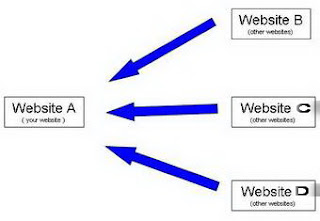
What is One Way Links ?


backlinks
One way link means that a website links to your website but your site does not link back to that site. One way links are also known as backlinks or inbound links. For example, your Website is A. Other Websites B, C, D etc are linking to A. It means there is at most one text link or image link in each B, C, D Websites/blogs that links to A. But A doesn't have any back link to B,C,D. For more clarification look at the above image.


Why One Way Links are important ?


It is important because most of the search engines determine a Website popularity by checking how many relevant sites link to that Website. If you get backlinks from higher page rank websites then search engine ranking of your Website/blog will increase. And the higher your search engine ranking the more traffic you will receive. More visitors visit your site there will be more probability to earn more money.


Be caution about Link Relevancy


Link relevancy is another matter of concern in One way link policy. It is also used as part of an algorithm to determine Search Engine Ranking of your site. Because one may create thousand of blogs or junk sites and link them to a site or blog to increase link popularity. But the quality of the sites that link to yours is very important. Each website has it's own "page rank". A website with higher page rank will increase your link popularity rather than website that has none.